Optimizing Tea Processing with Precise Humidification
Why Humidity Control is Essential in Tea Processing?
Tea processing involves multiple stages, including withering, rolling, oxidation, drying, and packaging, all of which require strict humidity control to maintain optimal moisture content, flavor retention, and product quality. Uncontrolled humidity can lead to uneven fermentation, excessive drying, or flavor degradation, ultimately affecting the tea’s aroma, color, and market value.
At Ravi Engineering, we provide advanced humidification solutions tailored to optimize each phase of tea processing, ensuring consistent quality and higher yield.
Challenges Due to Improper Humidity in Tea Processing
Over-Drying & Moisture Loss
Low humidity can cause excess moisture evaporation, leading to brittle leaves and flavor degradation.
Inconsistent Fermentation (Oxidation)
Poor humidity control affects polyphenol oxidation, leading to uneven tea color and taste.
Dust & Static Issues
Dry air increases dust levels, impacting tea leaf handling and processing efficiency.
Mold & Contamination Risks
Excess humidity can cause mold growth, reducing tea shelf life and safety.
Ideal Humidity Levels for Tea Processing
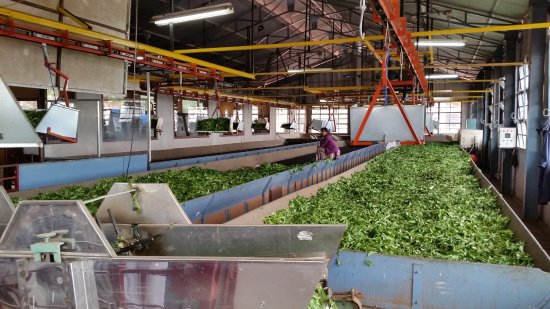
Withering Process
70–85% RH – Prevents excessive water loss while maintaining leaf flexibility.
Oxidation/Fermentation
75–90% RH – Ensures consistent chemical reactions for proper color and flavor development.
Drying & Packing
50–65% RH Prevents moisture reabsorption and maintains final tea quality.
Why Choose Ravi Engineering’s Humidification Solutions?